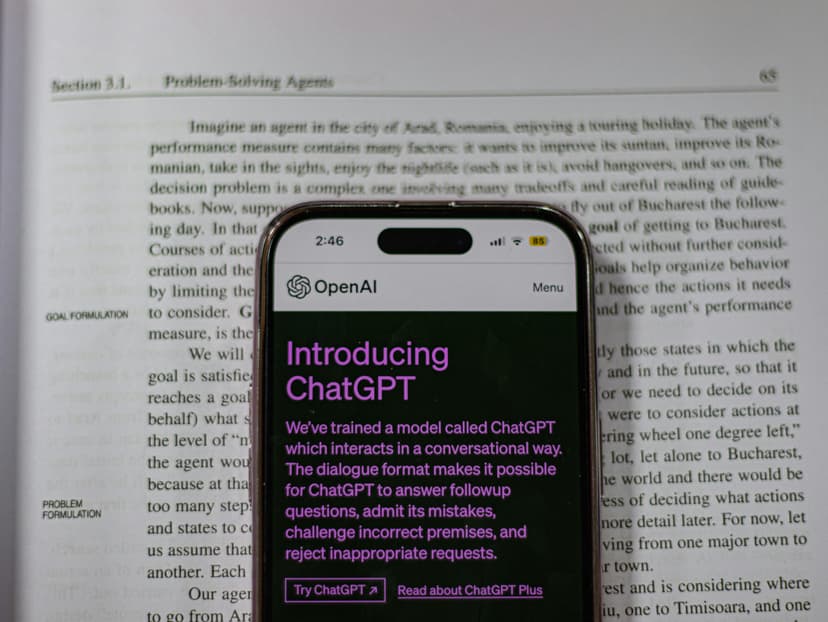
Remember the days when a 'coder' was primarily defined by the sheer volume of lines of code typed, meticulously crafting every function and loop? That era is rapidly becoming a relic of the past. In 2025, software development has fundamentally transformed, shifting its core from manual coding to intelligent orchestration.
This isn't just about integrating AI as another tool; it's about redefining what it means to be a developer. We are moving beyond merely writing code to architecting, guiding, and validating the powerful, often autonomous, capabilities of artificial intelligence. The developer's role has ascended, requiring a blend of technical prowess, strategic thinking, and ethical awareness. Those who embrace this shift are not just adapting; they are leading the charge into a new paradigm where human ingenuity and machine intelligence coalesce to build the future.
The Dawn of AI-Driven Development
The landscape of software creation is being reshaped by AI in ways that were once considered futuristic. The initial skepticism surrounding AI's role in coding has largely evaporated, replaced by a recognition of its transformative potential to augment human capabilities.
AI-Driven Code Generation and Optimization
One of the most immediate and impactful shifts is the increased reliance on AI tools for writing, refactoring, and optimizing code. Developers find themselves spending less time on boilerplate or repetitive tasks, as AI assistants can generate significant portions of code, suggest intelligent refactors, and even identify performance bottlenecks before they become issues. This doesn't eliminate the need for coding, but rather elevates it. The developer's focus pivots from manual execution to guiding the AI, understanding its outputs, and performing critical validation. They become the editor, the architect, and the final arbiter of quality, ensuring that AI-generated code aligns with project requirements and best practices. This evolution empowers teams to accelerate development cycles and focus human talent on higher-order problems that require creativity and nuanced problem-solving.
Mastering Prompt Engineering and AI Orchestration
As AI takes on more coding responsibilities, a new, critical skillset has emerged: prompt engineering. Developers are now required to possess advanced skills in crafting effective prompts for AI tools, translating complex requirements into clear, unambiguous instructions that AI can understand and execute. This involves not just technical understanding, but also a mastery of language and logic. Beyond individual prompts, the ability to orchestrate complex AI-driven development workflows is becoming paramount. This means designing intricate sequences where different AI models and tools collaborate, from initial concept generation to final deployment. The developer's role is to ensure these AI agents work in harmony, managing their inputs, outputs, and dependencies to achieve a cohesive development outcome. This orchestration skill is vital for harnessing the full power of diverse AI capabilities.
The Ascent of AI-Enhanced Low-Code/No-Code
The proliferation of low-code/no-code (LCNC) platforms has already democratized application development, enabling citizen developers to build functional solutions without deep coding knowledge. In 2025, AI further amplifies this trend. AI is embedded into these platforms, providing intelligent assistance for interface design, data model generation, business logic implementation, and even automatic integration suggestions. This empowerment of citizen developers, coupled with the ability to swiftly prototype and deploy applications, significantly accelerates development cycles across organizations. For professional developers, AI-enhanced LCNC platforms become tools for rapid prototyping, managing less complex internal tools, and freeing up resources for more intricate, bespoke system development. The distinction between a